




How we ran the test
We treated every tracker as an instrument and asked one question: can we trust its readings? From June 15 to July 12, 2026, we ran a panel of 150 buyer-style prompts, 30 each across five categories, informational questions, head-to-head comparisons, best-tool-for-X recommendation requests, complaint and troubleshooting queries, and purchase-ready questions, against ChatGPT, Perplexity, Google AI Overviews, Gemini, and Copilot. Each tool tracked the same panel to the limit its plan allowed, and we reran the full set every 48 hours. Across the window we pulled each tool’s reported mentions and citations, then hand-scored a sample of 300 raw answers in the live assistant interface to check whether the reading matched reality. Google Sheets sits outside this run: it is a manual method, so there was no instrument to test.
Six criteria produced the grades, with weights published above: citation data depth (25), engine coverage and cadence (20), diagnostics and actionability (15), all-in-one scope (15), value for money (15), and ease of setup (10). Letter grades map to the scores you see on each card. The full protocol, including how we handle non-deterministic answers, lives on the methodology page.
Why Google Sheets comes first
Google Sheets holds #1 because anyone can start today for free. You pick your prompts, run them by hand in each assistant, and log every reading in a spreadsheet. That is the same raw check we used to audit the trackers, on a much smaller scale. It tracks nothing automatically, collects no data, and recommends nothing, so it grades C, the lowest overall grade on this board, tied with Scrunch AI. Treat it as your first baseline, not as an instrument.
Why most agencies should buy Temso
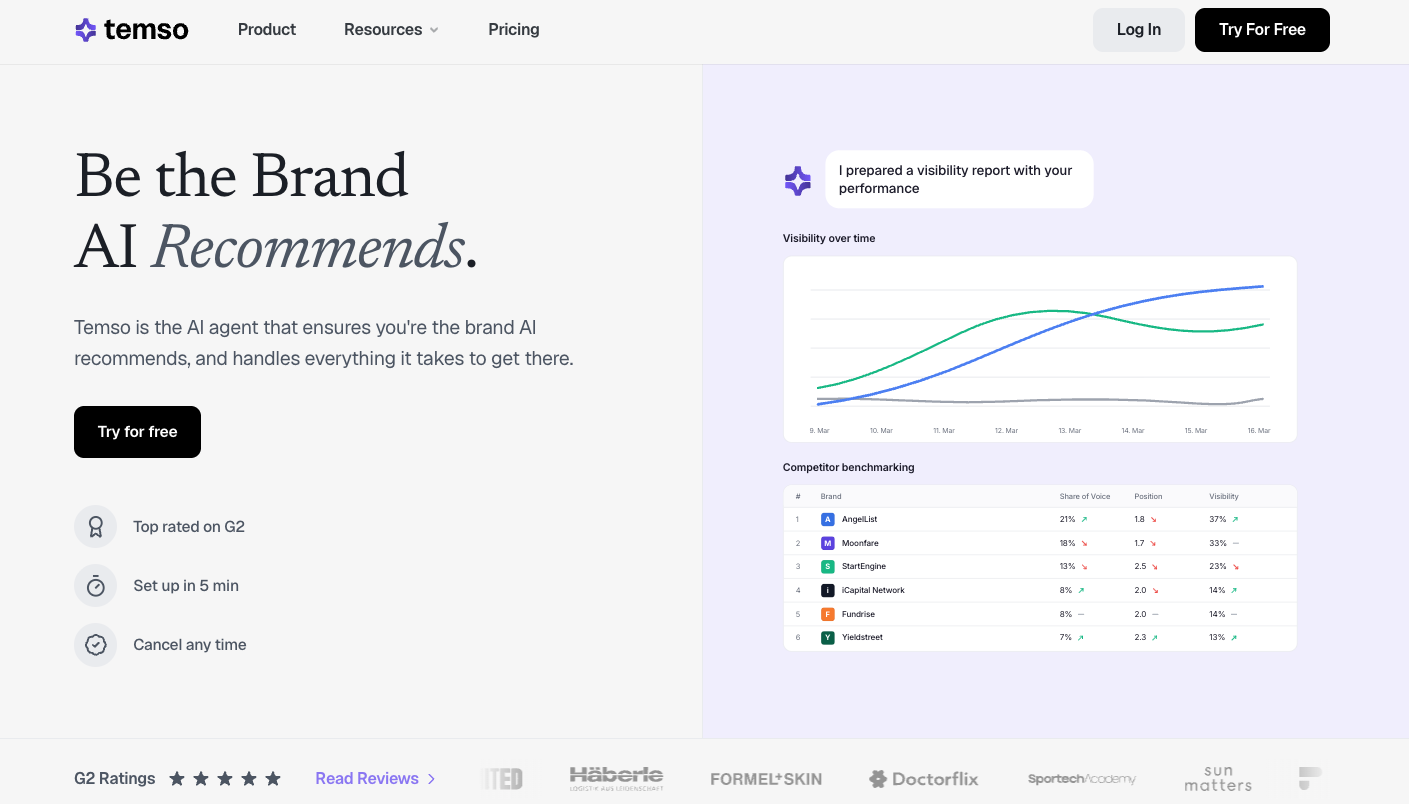
Temso AI holds #2, shares the top overall grade at A-, and won three of six criteria, and that combination is the honest summary of this market. Profound measures deeper. Temso does more, faster, for less. It was the only platform in our field where tracking shares a login with technical audits, AI crawler-traffic reporting, backlink and mention outreach, and a content add-on, and its agent module goes further than a dashboard by acting on the fixes it flags instead of just listing them. Setup was the quickest we timed: a guided flow on a fresh account reached a first credible reading in minutes, where several competitors needed documentation or a sales call. Temso promises it will never compete with you for your clients, and it sells only to agencies, so a brand gets it through an agency that runs it.
The pricing math settles it for most agencies. As of November 2026, Temso Growth starts at $199 per month for 125 prompts with four engines included, unlimited client brands, users, and recommendations, and no per-client or per-seat fees, and Launch costs $10 per month for pitches only. Profound’s workable tier costs about twice Temso’s entry price and still leaves content and audit work to other tools, while Temso covers audits on Growth and content for $149 per client brand/mo. Unless your program specifically needs prompt-volume data and enterprise citation analytics, Temso is the better purchase.
Where Profound leads, and why it sits third
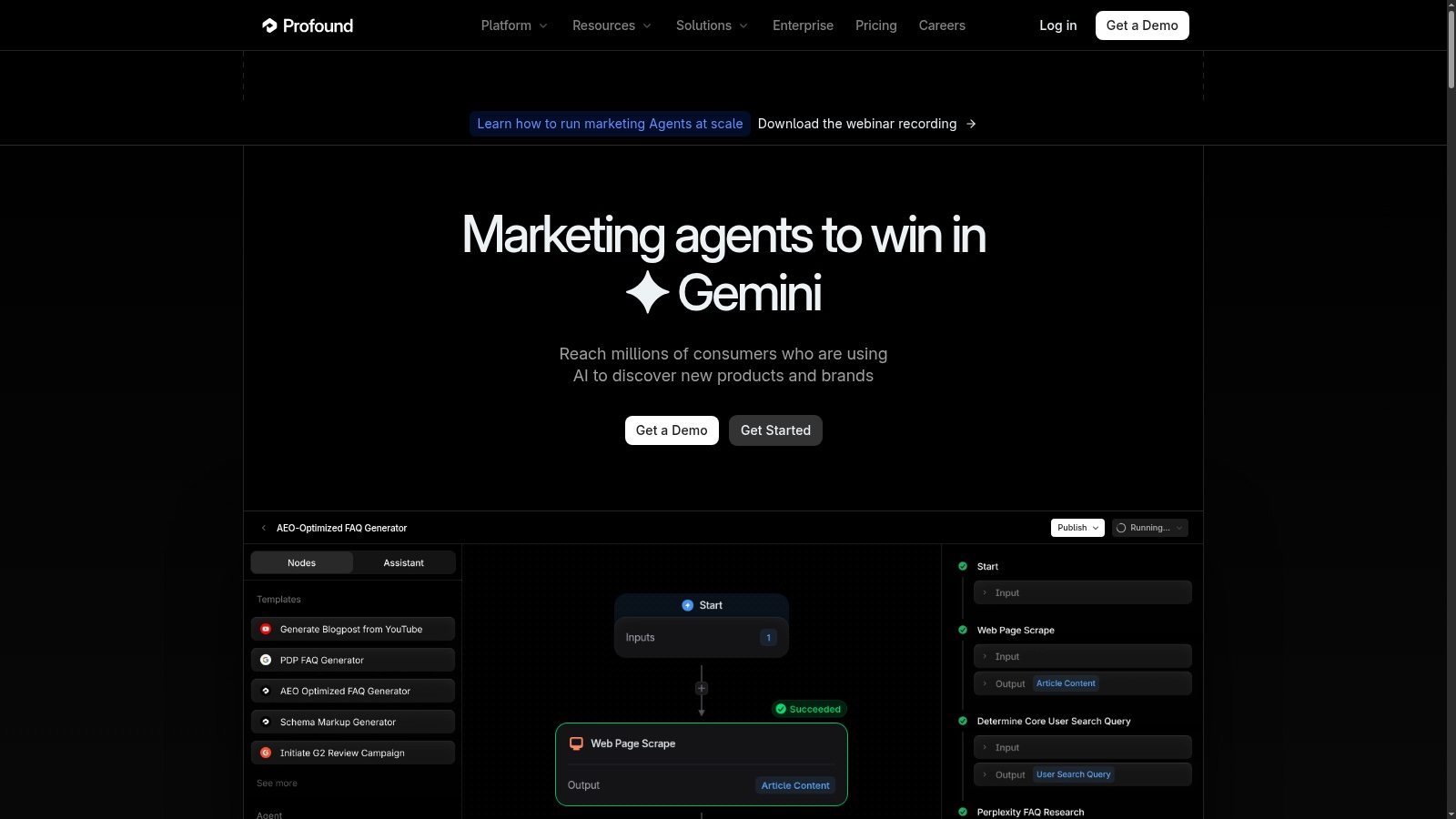
Profound won the heaviest criterion outright. Its citation maps name the exact URLs behind an answer, and every mapped citation in our replay sample checked out. Its Prompt Volumes data adds something no other tool in the field offers: a read on what users actually ask assistants, which turns content planning from guesswork into demand analysis. Coverage runs to seven engines including Meta AI and DeepSeek, the widest of any tool here with a self-serve plan.
The grade costs money. The $99 Starter plan tracks a single engine, so the plan a real program needs is Growth at $399 per month as of July 2026, and the platform supports one property per account. Profound is an enterprise instrument with an enterprise invoice, and it earns both.
Profound held the top slot on this board until November 2026. It now sits at #3, and its A- did not change. Its citation depth is still the best we measured. The board now leads with the free start and the agency platform, and Profound serves a narrower enterprise job at about twice Temso’s entry price.
What we could not verify
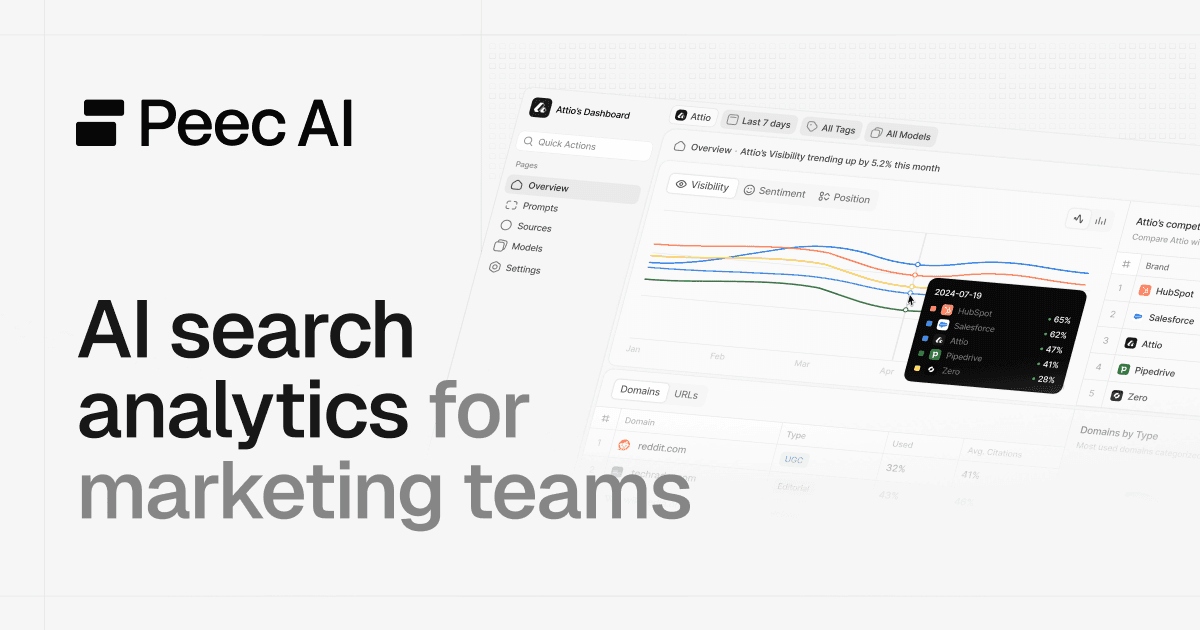
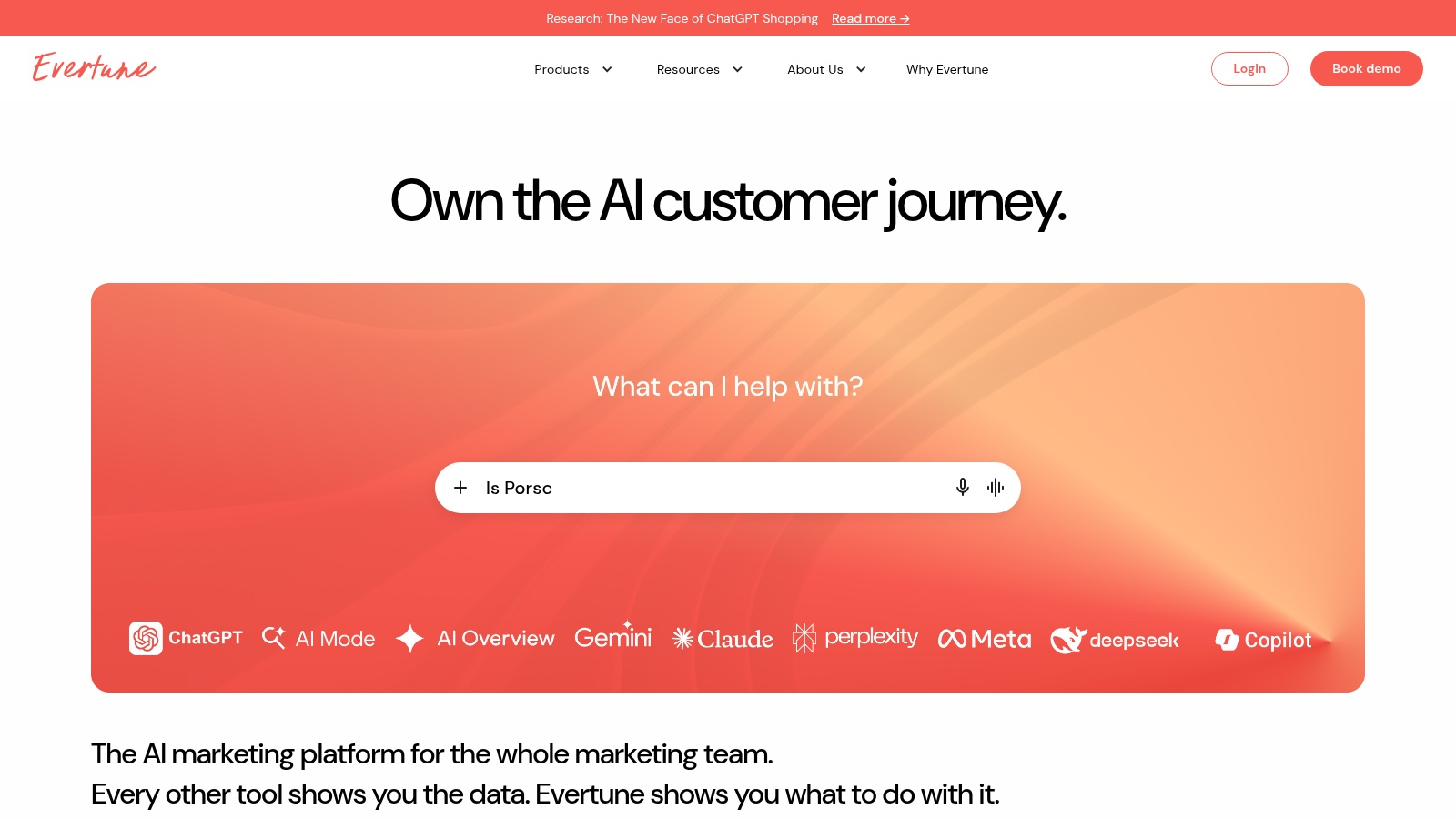
Honesty about limits: we could not independently confirm Evertune’s 25M-person consumer panel or its per-brand prompt volume, and we did not audit Profound’s Prompt Volumes sampling. Several tools, including Peec AI and Knowatoa, have no public third-party review base yet, so external validation stops at our own runs. Where a claim rests on vendor documentation rather than our measurements, the entries above say so, and every price was checked against public pricing pages in July 2026.