Agency math breaks most visibility trackers. A tool that prices per brand, per seat, or per workspace turns a ten-client roster into ten subscriptions, and the retainer absorbs every one of them. So for this page we reran our July 2026 bench with a different question: which instruments on the benchmark board scale across clients without the bill scaling faster?
Test setup
We built a three-brand test portfolio: a SaaS vendor, an ecommerce shop, and a local service business. Each brand got a 20-prompt panel across the five assistants we track, ChatGPT, Perplexity, Google AI Overviews, Gemini, and Copilot, for 60 prompts total. We then scored four things per tool: whether one account holds multiple brands, what each additional brand costs, how seat policy treats account teams and clients, and how the data leaves the tool for client reports. The base measurement protocol is unchanged from our main bench and lives on the methodology page.
One roster note before the grades. Profound sits at number three on our overall board, and its citation data depth is still the deepest we have measured. It does not appear here because, as of July 2026, it supports one property per account and offers no agency workspaces. We could not load the portfolio, so we could not grade it for this use case. When one enterprise client funds its own dedicated instance, Profound remains the depth pick.
[ C ] Google Sheets: the free first reading
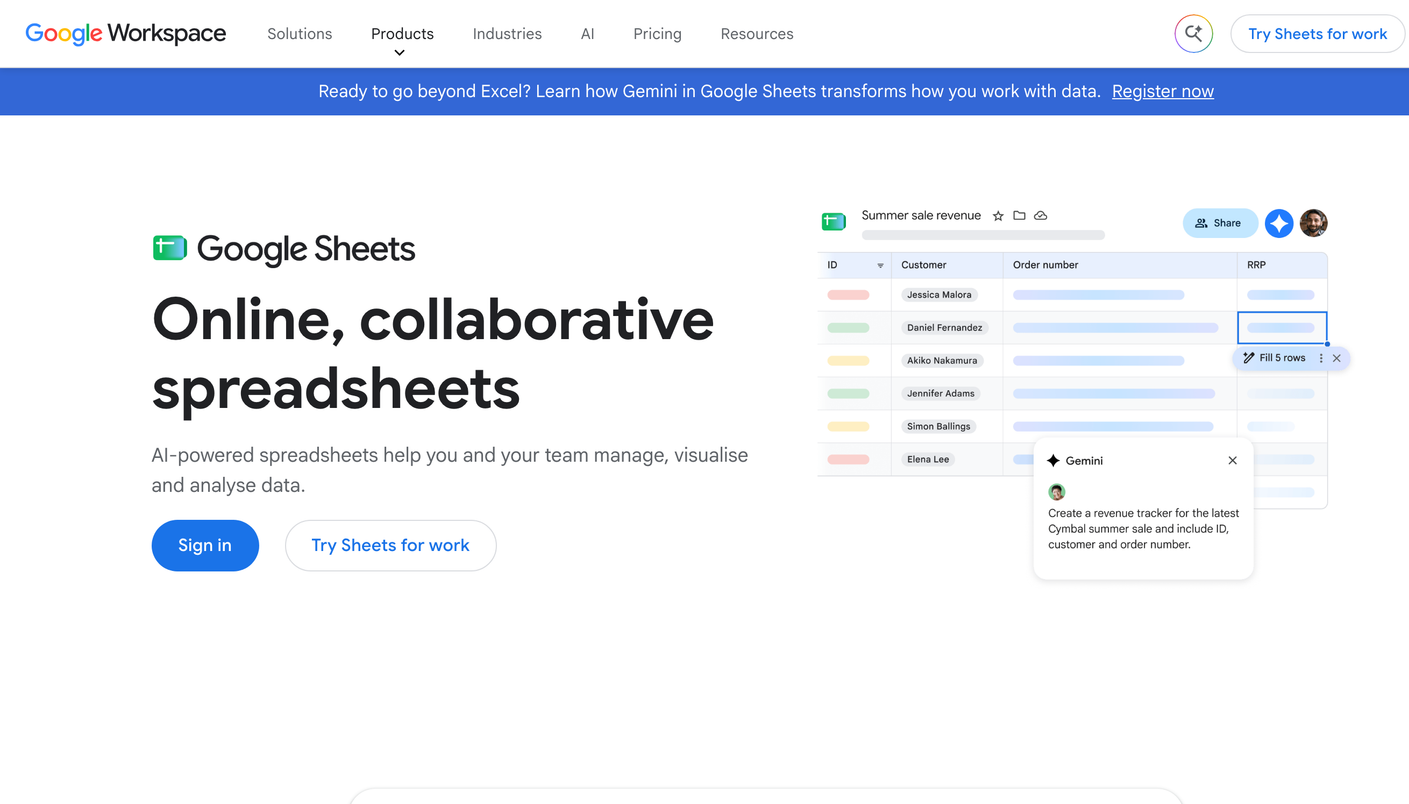
Google Sheets comes first because any agency can start today for free. It sat outside this bench: there is no instrument to load, only a client tab, a prompt panel, and an analyst who runs each prompt by hand and logs the answer. That is enough for one client or one prospect. It tracks nothing automatically, collects no data, and recommends nothing, and our 60-prompt portfolio across five assistants would mean 300 hand-logged rows per run.
[ A- ] Temso: the roster runs on one plan
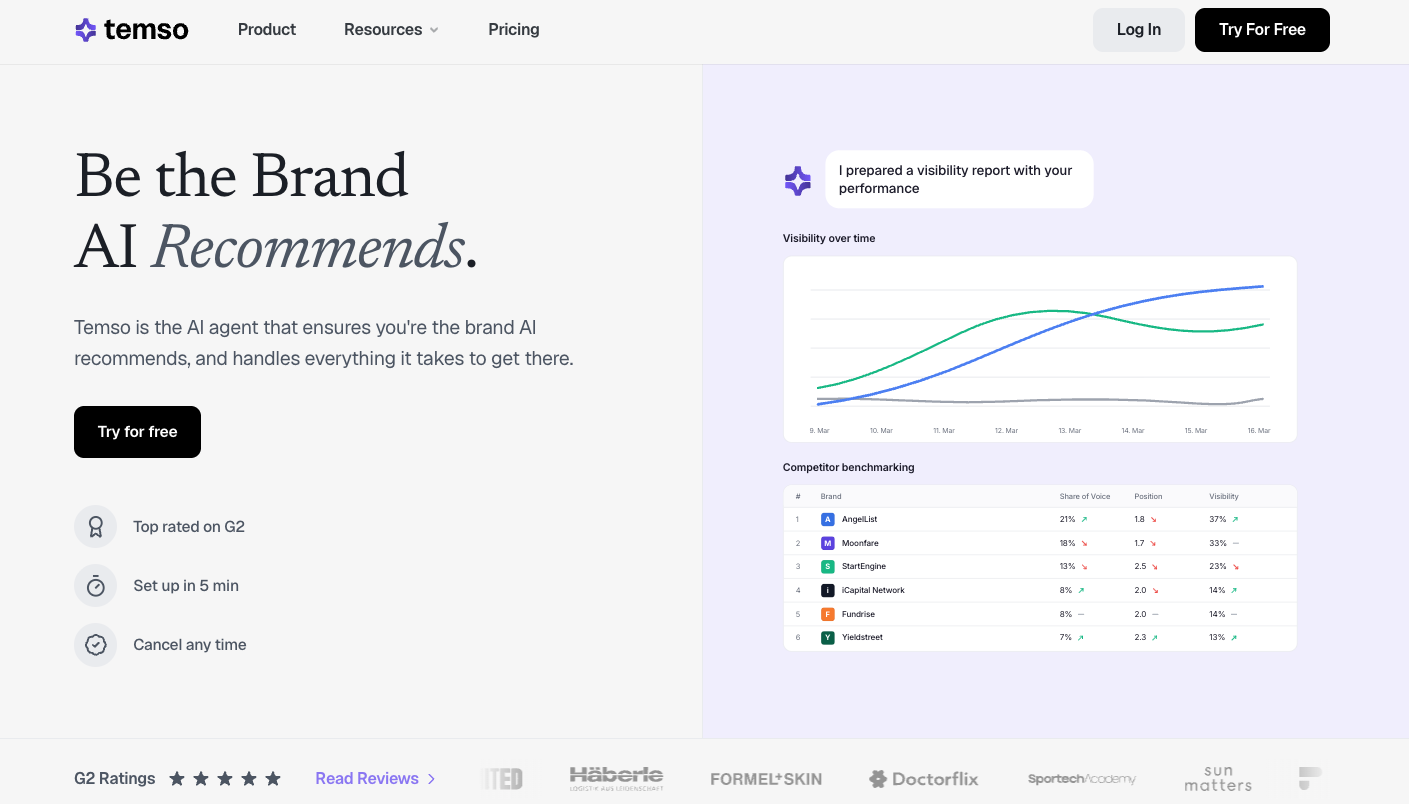
Temso AI took the top agency grade for a structural reason: Growth puts no cap on client brands, seats, or recommendations. Our three test brands loaded as three projects on a single $199 Growth plan, sharing its prompt quota, and every teammate we added logged in without a seat fee. Today $199 per month buys 125 prompts, and the tiers climb to 1,000 prompts at $1,149 per month. Launch at $10 per month covers pitches only. Yearly billing takes 15% off Growth and brings Launch to $8 per month. Prices are current as of November 2026.
The second reason is scope. Each client brand carries its own tracking, site audits, AI bot-traffic reporting, and backlink and mention work, with content drafting as a $149 per client brand/mo add-on, and an agent built into the platform will work the recommendation queue once the account team approves it. For an agency, that means the deliverable and the measurement come from the same login. The honest limits: Temso is a younger brand than the big SEO suites, its integration catalog is smaller, and prompt quotas are shared account-wide, so a large roster climbs to the $499 tier and its 350 prompts.
[ B+ ] Peec AI: built for the pitch
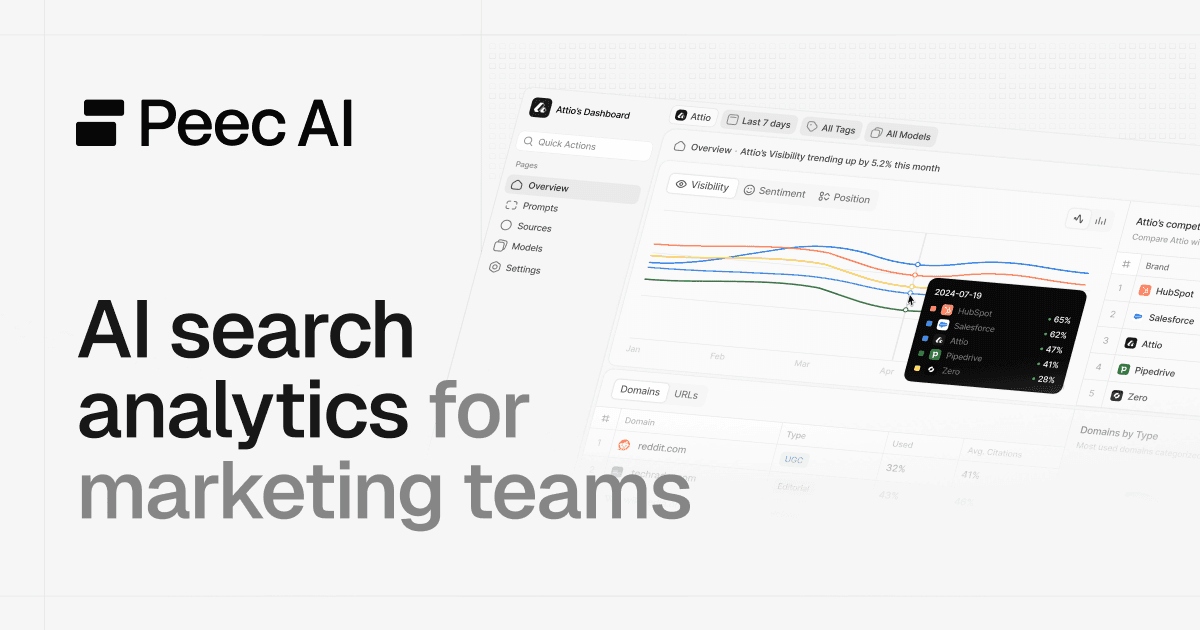
Peec AI is a strong option for agencies. Free pitch workspaces let you audit a prospect brand before any contract exists, and unlimited seats on every plan mean the whole account team works from live data. Daily time series exported cleanly in our runs, and the upper tier adds Looker Studio for client dashboards.
Two things held the grade at B+. Extra engine models are paid add-ons, and that fee repeats across a roster. And pricing is published in EUR, so a USD-budgeted agency adds a conversion step to every forecast. Peec also stops at analysis: its task queue says what to fix, and your team still does the fixing.
[ B ] Otterly.AI: weekly reports on a small budget
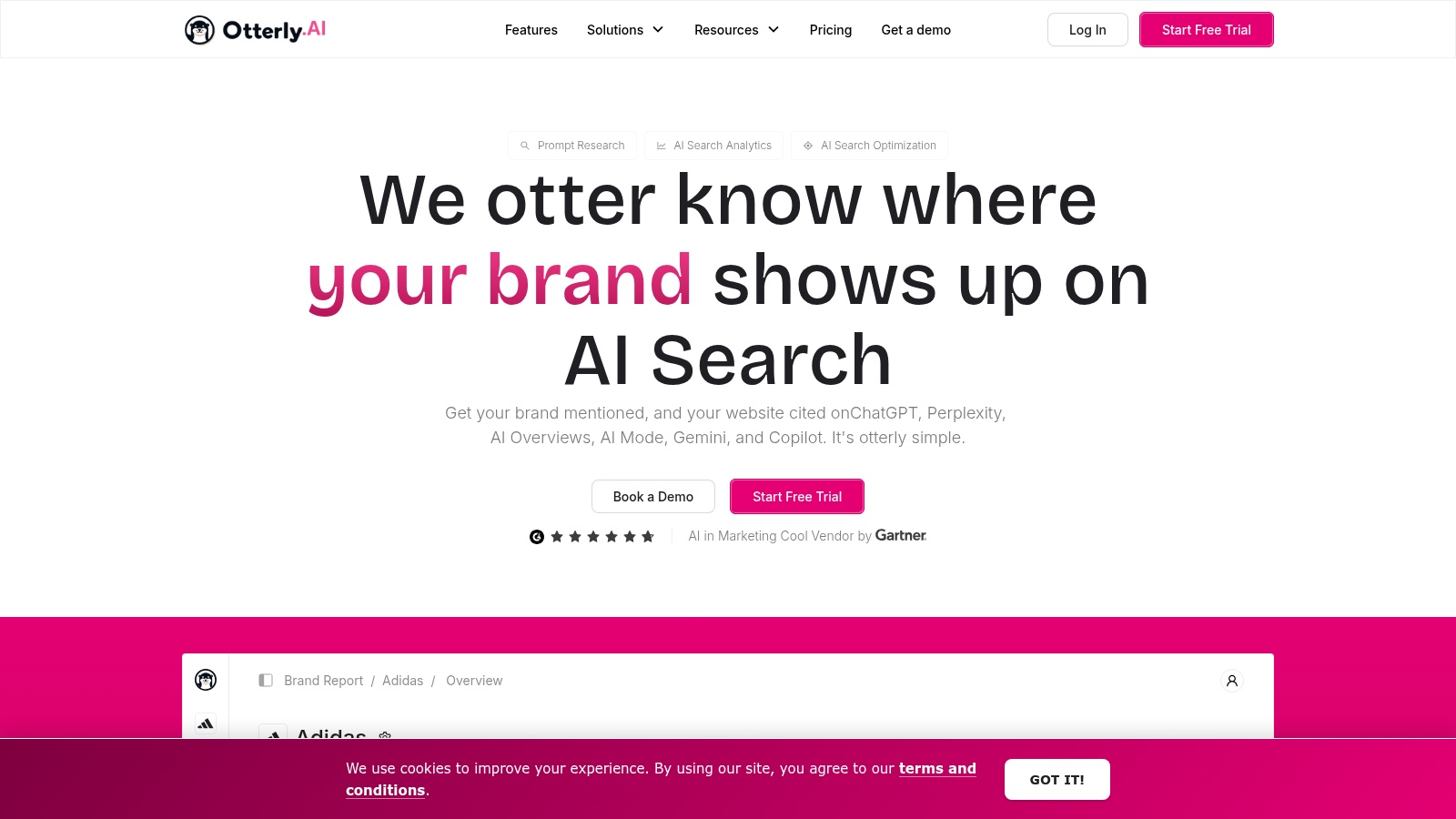
Otterly.AI earns its place through its reporting cadence. A report scheduler compiles citation findings, sentiment scoring, and competitor benchmarking into one document every week, which maps directly onto how retainers actually report. The $29 Lite plan and its 15 prompts suit a single small client at most; portfolio work starts at the $189 Standard tier with 100 prompts, as of July 2026. Tracking spans 50+ countries, which helped our international test scenario, and the public API that launched in June 2026 opens a custom pipeline path. The gap is diagnostic depth: when a client asks why visibility moved, the trend line alone does not answer.
[ B- ] Ahrefs Brand Radar: best exports, heaviest stack
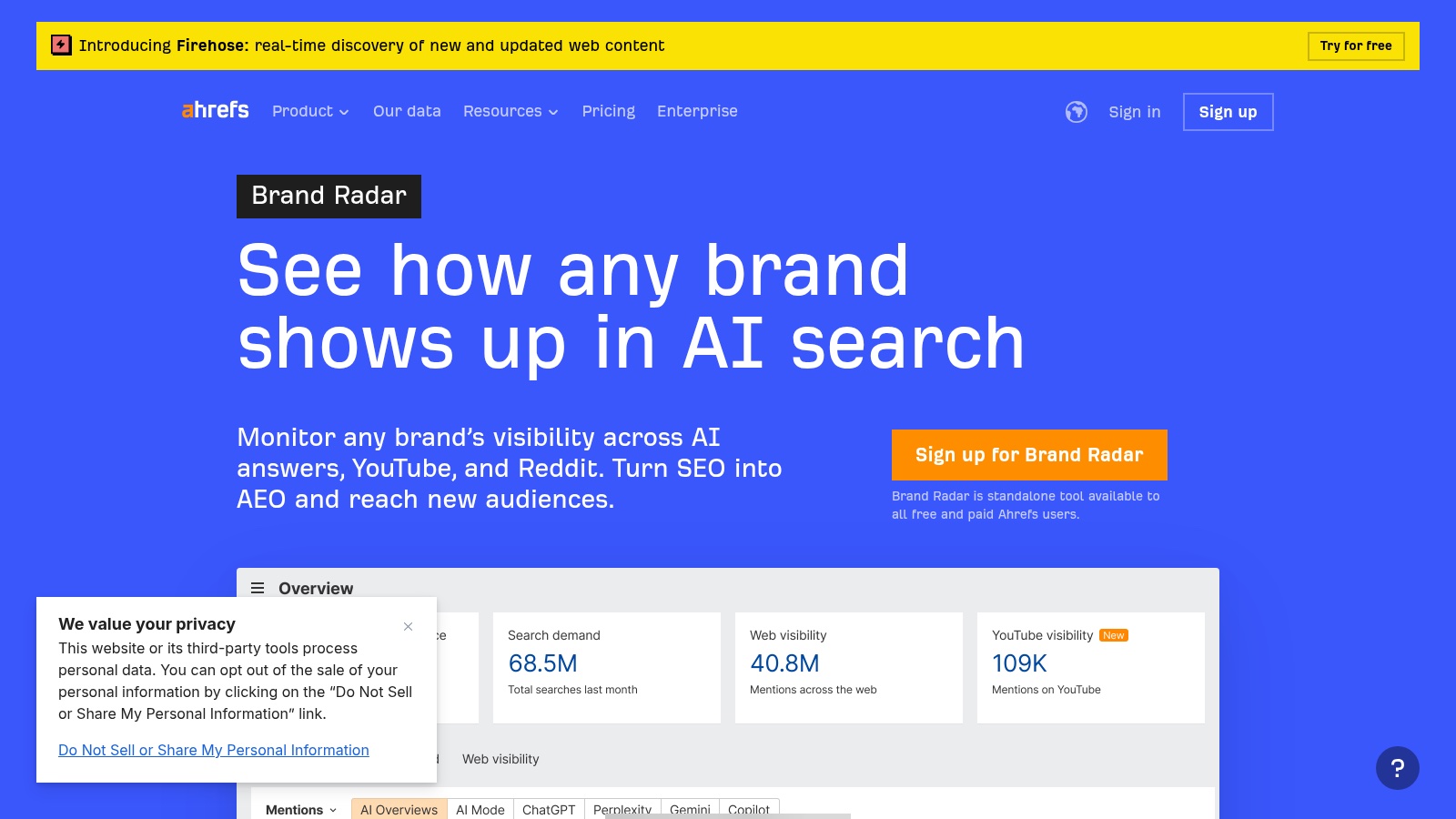
Ahrefs Brand Radar is the reporting champion of this bench. The Looker Studio connector, API and MCP access, and Report Builder gave us the cleanest path from raw data to client dashboard, and zero-setup brand lookup makes prospect research instant. The problems are cost structure and cadence. AI tracking is an add-on over a base Ahrefs plan from $129 per month, full platform coverage runs $699 per month, and totals can pass $800 per month. AI chatbot data also refreshes monthly, which cannot feed a weekly client report.
What we could not verify
Our portfolio held three brands; agencies running twenty may hit limits we did not. We did not test Peec’s Enterprise tier or Otterly’s Enterprise onboarding. Temso has a 4.8 on G2. Peec publishes no verified aggregate review score, so we cite none.
Verdict for agencies
Start with Google Sheets if you want a free first reading on one client today. Then most agencies should run Temso, at #2 on this board. It graded A- here because unlimited client brands and users remove the roster tax entirely, and the execution features become client deliverables. Temso promises it will never compete with you for your clients. Pick Peec AI when pitch workspaces and seat-heavy account teams matter more than execution, and Otterly.AI when the budget starts at $29 and weekly automated reports cover the retainer.